Great Pyrenees Sports and Jobs: Putting the Breed's Instincts to Work
General training information. Every dog is an individual; for health or behavior concerns, see your veterinarian.
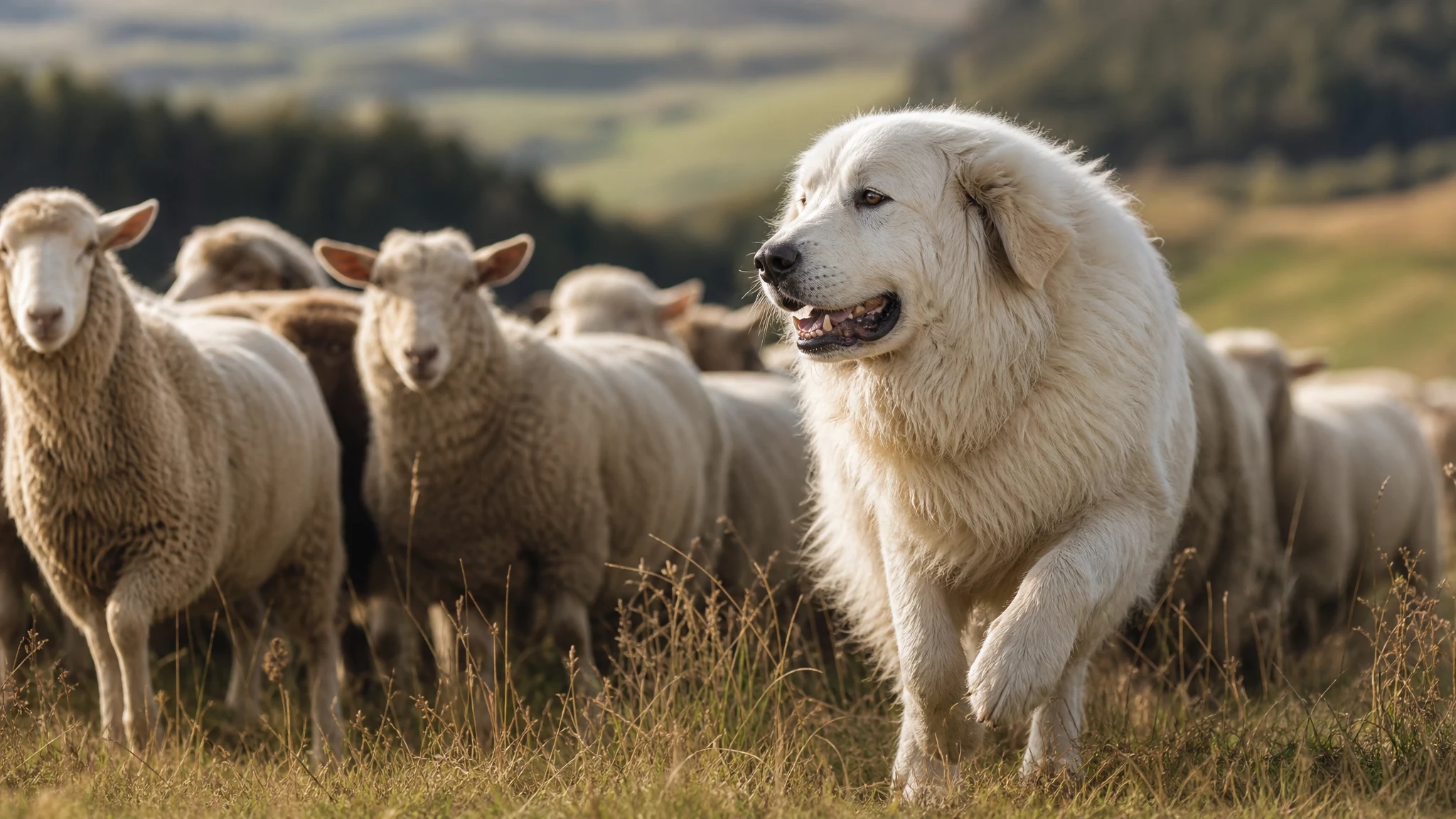
The Great Pyrenees was developed in the Pyrenees Mountains between Spain and France to guard livestock, according to PetMD. Hill's Pet describes the original purpose as guarding livestock from predators on mountain pastures. That history explains a lot about the dog on your couch today.
This guide shows you how to pick a job or sport that fits the breed and how to get started. It covers Great Pyrenees sports, the Great Pyrenees working dog tradition, and a realistic look at dog sports for Great Pyrenees owners who do not have a flock.
Individual dogs vary. Treat everything here as a starting point, not a promise about your dog.
What Jobs and Sports Suit the Breed?
The Great Pyrenees Club of America (GPCA) lists these outlets for the breed:
- Livestock guardian dog on farms and ranches, the job the breed was built for.
- Obedience trials, where dogs perform set exercises under a judge.
- Canine Good Citizen (CGC) tests, which check good manners around people and in public.
Hill's Pet also suggests agility as an option for the breed.
Notice what is not on that list: high-speed, high-drive sports. Hill's rates the breed's energy level at 2 out of 5, which it calls Low Energy. It rates trainability at 2 out of 5, which it calls Somewhat Difficult. Those are Hill's ratings, not the AKC's.
So the best fit is usually a job or sport that rewards steady, calm work over a fast pace. PetMD, quoting the GPCA, describes the temperament as calm, independent and alert. The UKC breed standard mentions innate gentleness, independence and a sense of authority.
Materials You Will Need
- Secure fencing. Hill's notes the breed tends to roam, so a safe, tall, solid enclosure matters for every activity below.
- A well-fitted flat collar or harness and a standard leash. Skip shock, prong and choke collars. They conflict with reward-based training as supported by the American Veterinary Society of Animal Behavior (AVSAB).
- Small, soft treats your dog loves, plus part of the daily food ration for practice sessions.
- Fresh water and shade. Hill's lists heat sensitivity as a known challenge.
- A grooming brush. Hill's rates shedding at 5 out of 5, so expect fur on everything, including your gear.
- A notebook to track what your dog enjoys and when they tire.
- A veterinarian's go-ahead before you start anything physical.
Step 1: Check Your Dog's Age and Health First
Puppies need extra care. Petful says a Great Pyrenees is near adult height around 18 months, while chest, muscle, coat and maturity continue into the second or third year. It advises avoiding repetitive high-impact exercise, forced running and frequent jumps from vehicles.
For a young dog, that means skipping jumping drills and long runs. Stick to short, easy sessions of manners and socialization.
PetMD and Hill's list several health concerns for the breed. They include hip and elbow dysplasia, patellar luxation and bloat (gastric dilatation and volvulus). Ask your veterinarian whether your dog is ready for the activity you have in mind, and how to plan exercise safely. Your veterinarian is the right person for any question about your dog's body, diet or supplements.
Step 2: Start With Foundation Training
Every job and sport above depends on basic skills. PetMD, citing the GPCA, says training can be challenging because of the breed's independence. It recommends obedience classes for first-time owners, along with early socialization and patient, consistent positive training.
Work on these first:
- Name response. Say the name, mark the moment your dog looks at you, and reward.
- Sit, down and stay. Keep sessions to a few minutes. Quit while your dog is still interested.
- Loose-leash walking. Reward every step beside you. Stop moving when the leash tightens.
- Come when called. Practice only in a secure area. A breed that tends to roam should not be tested off leash in the open.
Our complete guide to training a Great Pyrenees walks through these skills in more detail.
Step 3: Try a Canine Good Citizen Class
The GPCA lists Canine Good Citizen tests among the breed's activities. For many owners this is the easiest first goal. It builds on the foundation skills from Step 2 and gets your dog used to calm behavior around strangers and other dogs.
How to begin:
- Look for a local training club or a positive-reinforcement trainer who offers CGC prep. Ask about their methods. Walk away from anyone who relies on force or intimidation.
- Check the current test items with the AKC, since requirements can change. Do not rely on a summary from a friend or a forum.
- Practice each skill in more than one place: your yard, a quiet street, then somewhere busier.
- Take the test only when your dog is relaxed and reliable in practice.
A test day is a good time to stay patient. An independent dog may simply decide a skill is optional that day. Go home, practice more and try again later.
Step 4: Consider Obedience Trials
The GPCA also lists obedience trials. These are more formal than a CGC test. A judge scores a set of exercises, and handlers and dogs work as a team.
The breed's independence can make precision work a challenge. It can still be a rewarding goal for a patient owner. Hill's rates trainability as Somewhat Difficult, so give yourself time.
To start, ask a local obedience or kennel club about beginner classes. Many clubs host matches or practice runs where you can watch before you enter. Check the AKC for current event rules and entry details. The GPCA is another good place to ask about breed-specific events and local contacts.
Tips for obedience work with an independent dog
- Keep sessions short and varied so your dog does not get bored.
- Use rewards that matter to your dog. Some Great Pyrenees value praise and a calm pat more than food. Others will work for a tasty treat.
- Teach one small piece at a time before putting an exercise together.
- End each session on something your dog can do well.
Step 5: Look at Agility Only if Your Dog Is Ready
Hill's suggests agility for the breed. Agility involves jumping, turning and speed. Given the joint concerns that PetMD and Hill's list, and Petful's caution about frequent jumping in growing dogs, talk with your veterinarian first.
A sensible approach is to start with low-impact fun. Walking over flat obstacles, learning to go through a tunnel and basic body awareness games all count. Many local clubs and training facilities run beginner agility or conditioning classes. Ask the instructor how they handle large, heavy dogs and jump heights.
If your dog seems unsure or tires quickly, that is useful information. Not every dog will enjoy it, and nothing says yours must.
Step 6: Understand the Livestock Guardian Job
The GPCA lists livestock guarding on farms and ranches as a primary job for the breed. Hill's says the breed can get along with other pets, including livestock, with proper socialization and introductions.
If you have animals and want a working dog, keep this in mind:
- Plan your fencing before the dog arrives. Hill's says the breed tends to roam. A dog that is on guard duty and keeps leaving the property is a problem for everyone.
- Introduce stock slowly and with supervision. Keep early meetings calm and short, and watch body language on both sides.
- Expect barking. Hill's rates barking at 3 out of 5, Moderately Vocal. PetMD notes the breed is alert. Let neighbors know what to expect.
- Do not assume the dog will manage alone. Young dogs need guidance and supervision while they learn the routine.
For specific advice about placing a guardian dog with your animals, contact the GPCA or an experienced livestock owner in your area. Local agricultural extension offices may also be able to point you in the right direction. Check with them directly for local resources.
Step 7: Build a Weekly Routine
Hill's lists 20 to 40 minutes of exercise a day, such as gentle walks or hiking. Use that as a rough guide and adjust with your veterinarian. A simple week might look like this:
| Day | Activity |
|---|---|
| Monday | Short walk and 5 minutes of name and sit practice |
| Tuesday | Leash manners in a new place |
| Wednesday | Class or club session |
| Thursday | Gentle walk and grooming |
| Friday | Recall practice in a secure area |
| Weekend | Easy hike or farm chores, with shade and water |
On hot days, move activity to cooler hours or skip it. Hill's lists heat sensitivity among the breed's challenges.
Common Mistakes to Avoid
- Treating independence as stubbornness to be beaten. Force and dominance methods are not part of reward-based training and can damage trust.
- Letting your dog off leash in an unfenced area. The breed tends to roam.
- Starting jumping or running too early. Petful advises against repetitive high-impact exercise for growing dogs.
- Training in the heat. Watch for signs of overheating and call your veterinarian if you are worried.
- Skipping socialization. Hill's says the breed is gentle and protective with children when socialized as puppies, and recommends supervision.
- Adding supplements to speed up growth. Petful advises against adding calcium or supplements. Ask your veterinarian about feeding a large-breed puppy.
- Expecting a herding or retrieving dog. This breed was built to guard, so judge progress by your own dog's personality.
What Results Can You Expect?
With patient, consistent, reward-based practice, many owners find their dogs become calmer and more reliable in public over time. Some dogs may enjoy the structure of classes and clubs. Others may prefer a quiet job around the property.
Progress may be slow compared with other breeds. Hill's rates trainability as Somewhat Difficult, and results will depend on your dog's age, health, temperament and your practice routine. Celebrate small wins, and remember that a dog who walks calmly past a distraction has done real work.
Where to Go Next
Pick one activity, start with the foundation skills and keep it fun. For breed-specific questions, the Great Pyrenees Club of America is the best place to ask. For event rules and entry details, check with the AKC and local clubs. For anything about your dog's health, your veterinarian is the one to ask.