Are Great Pyreneess Easy to Train? Temperament and Trainability FAQ
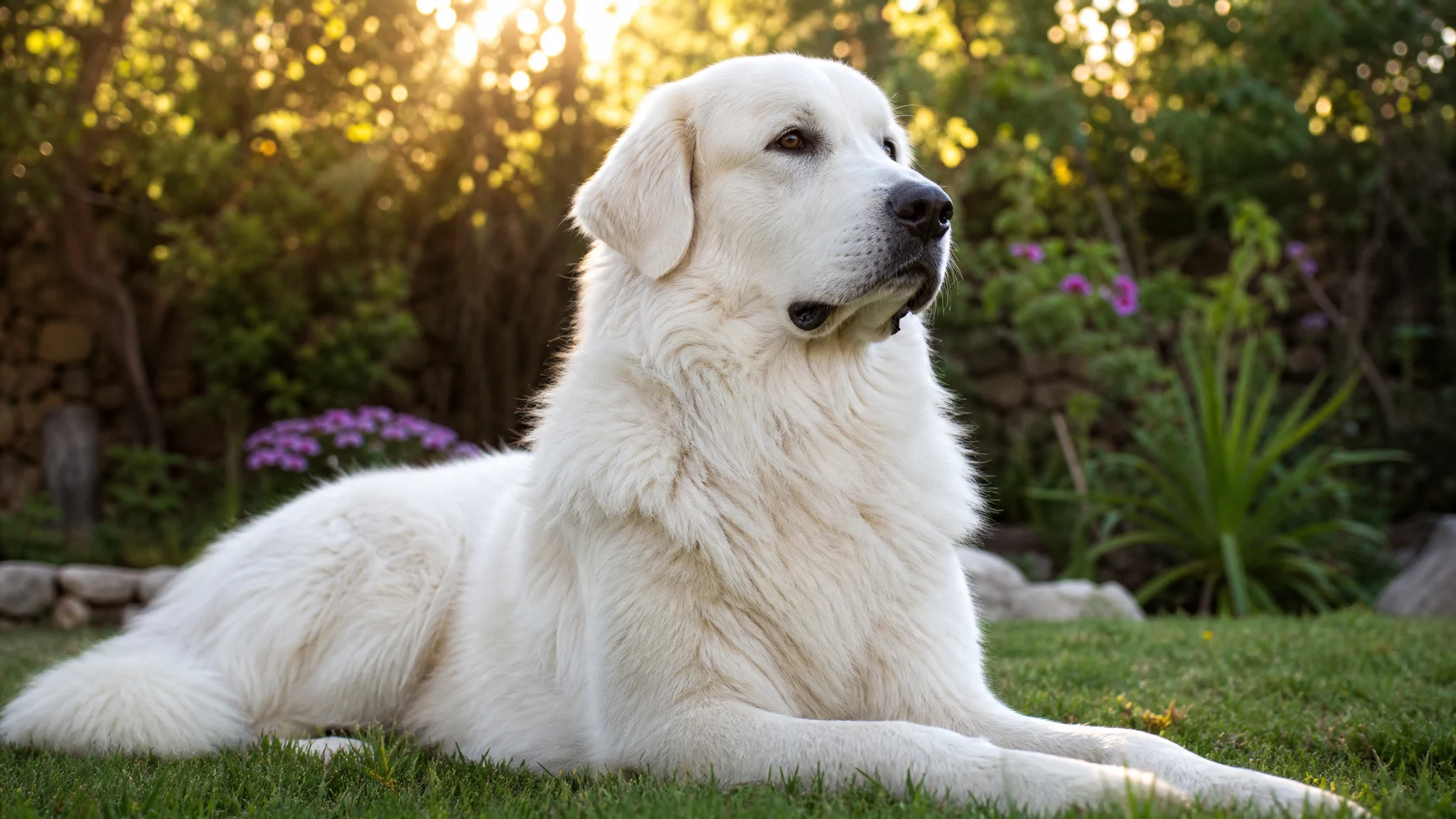
General training information. Every dog is an individual; for health or behavior concerns, see your veterinarian.
The short answer: Great Pyrenees can be trained, but most owners will find it takes patience. This breed was developed to guard livestock, and that history shapes how they learn. Below are plain answers to the questions people ask most about Great Pyrenees trainability, temperament and fit.
Trainability and Intelligence
Are Great Pyrenees easy to train?
Not usually. Hill's Pet rates the breed 2 out of 5 for trainability, which it labels somewhat difficult. Training is described as challenging because the breed is independent, so expect to put in steady, patient work.
Are Great Pyrenees smart?
The sources we relied on do not rate intelligence, so we will not put a number on it. What they do describe is an independent dog with a sense of authority, according to the UKC breed standard. A dog that thinks for itself may not look eager to obey, and that is different from being unable to learn.
What does Great Pyrenees trainability look like in daily life?
Expect a dog that may weigh a request before acting on it. Hill's rating of 2 out of 5 fits that picture. Short, consistent, reward-based sessions tend to suit a dog like this better than long drills.
Why does the breed seem so independent?
The breed was developed in the Pyrenees Mountains between Spain and France to guard livestock on mountain pastures, as PetMD and Hill's describe. Guarding work means making decisions without waiting for instructions. That background helps explain the independent streak.
Is the breed stubborn?
Owners often use that word, but the sources use "independent." The Great Pyrenees Club of America (GPCA), as quoted by PetMD, calls the temperament calm, independent and alert. Individual dogs vary, so judge your own dog rather than the label.
What training methods work best?
PetMD, citing the GPCA, advises patient, consistent positive training and early socialization. Reward-based methods are also the approach supported by the American Veterinary Society of Animal Behavior (AVSAB). Harsh corrections, shock, prong or choke collars and dominance methods are not part of good training.
For a step-by-step plan, see how to train a Great Pyrenees.
Temperament and Behavior
What is the Great Pyrenees temperament?
The GPCA, as quoted by PetMD, describes the breed as calm, independent and alert. The UKC standard mentions innate gentleness and a sense of authority. Together that points to a steady, watchful dog.
Do Great Pyrenees bark a lot?
Hill's rates barking at 3 out of 5, moderately vocal. Hill's and PetMD both list a strong instinct to bark and alert as a known challenge. Plan for it, especially if you have close neighbors.
Are they good with children?
Hill's describes the breed as gentle and protective with children when socialized as puppies, and recommends supervision. A very large dog can knock over a small child by accident, so supervise young kids with any big breed.
Do they get along with other pets?
Hill's says they can get along with other pets, including livestock, with proper socialization and introductions. It does not give a separate rating for other dogs. Introduce new animals slowly and watch how each one responds.
Will my dog try to roam?
Hill's lists roaming and fence-testing among the breed's known challenges. It says they need secure fencing. Check your fence before the dog comes home, and do not count on recall alone.
Energy, Exercise and Daily Needs
How energetic are Great Pyrenees?
Hill's rates energy at 2 out of 5, low energy. It lists 20 to 40 minutes of activity a day, such as gentle walks or hiking. Low energy does not mean no exercise, so keep up a daily routine.
Does low energy make training easier?
It helps in one way, since you are not managing a dog that needs hours of work. It does not change the independence that Hill's and PetMD describe. Calm does not equal eager to follow cues.
How much do they shed?
Hill's rates shedding at 5 out of 5, very high, year-round and heavier in spring and fall. Hill's also lists matting as a concern. Think about the grooming time before you commit.
Do they handle heat well?
Hill's lists heat sensitivity among the breed's issues. Ask your veterinarian how to keep your dog comfortable in warm weather. Plan exercise and training around cooler parts of the day.
Who the Breed Suits
Are Great Pyrenees good for first-time owners?
It can work, with support. PetMD, citing the GPCA, recommends obedience classes for first-time owners. Be honest about your time, patience and space before choosing the breed.
Who is the breed a good match for?
The GPCA notes the breed's work as a livestock guardian on farms and ranches. A person with secure fencing, tolerance for barking and shedding, and patience for slow, steady training is a reasonable fit. A household wanting a quick, eager-to-please learner may find it frustrating.
Can they do dog sports?
The GPCA lists obedience trials and Canine Good Citizen tests, and Hill's suggests agility. Progress may be slower than with some other breeds. Check with the GPCA or your local clubs for what is available near you.
Puppies, Health and Myths
When should training and socialization start?
PetMD advises early socialization, and Hill's ties good behavior with children and other pets to puppy socialization. Start gently and keep experiences positive. Petful notes that puppies keep maturing into their second or third year, so expect adolescent behavior to take time.
Should I worry about exercise for a growing puppy?
Petful advises avoiding repetitive high-impact exercise, forced running and frequent jumps from vehicles. It also says not to add calcium or supplements to speed growth, and suggests large-breed puppy food. Talk to your veterinarian about your puppy's diet and any health concerns.
Does a hard-to-train breed mean a bad dog?
No. Difficulty with obedience reflects the breed's job and independent nature, not poor character. Be wary of any claim that the breed will or will not behave a certain way, because individual dogs vary.