Socializing a Great Pyrenees With Kids, Dogs and Strangers
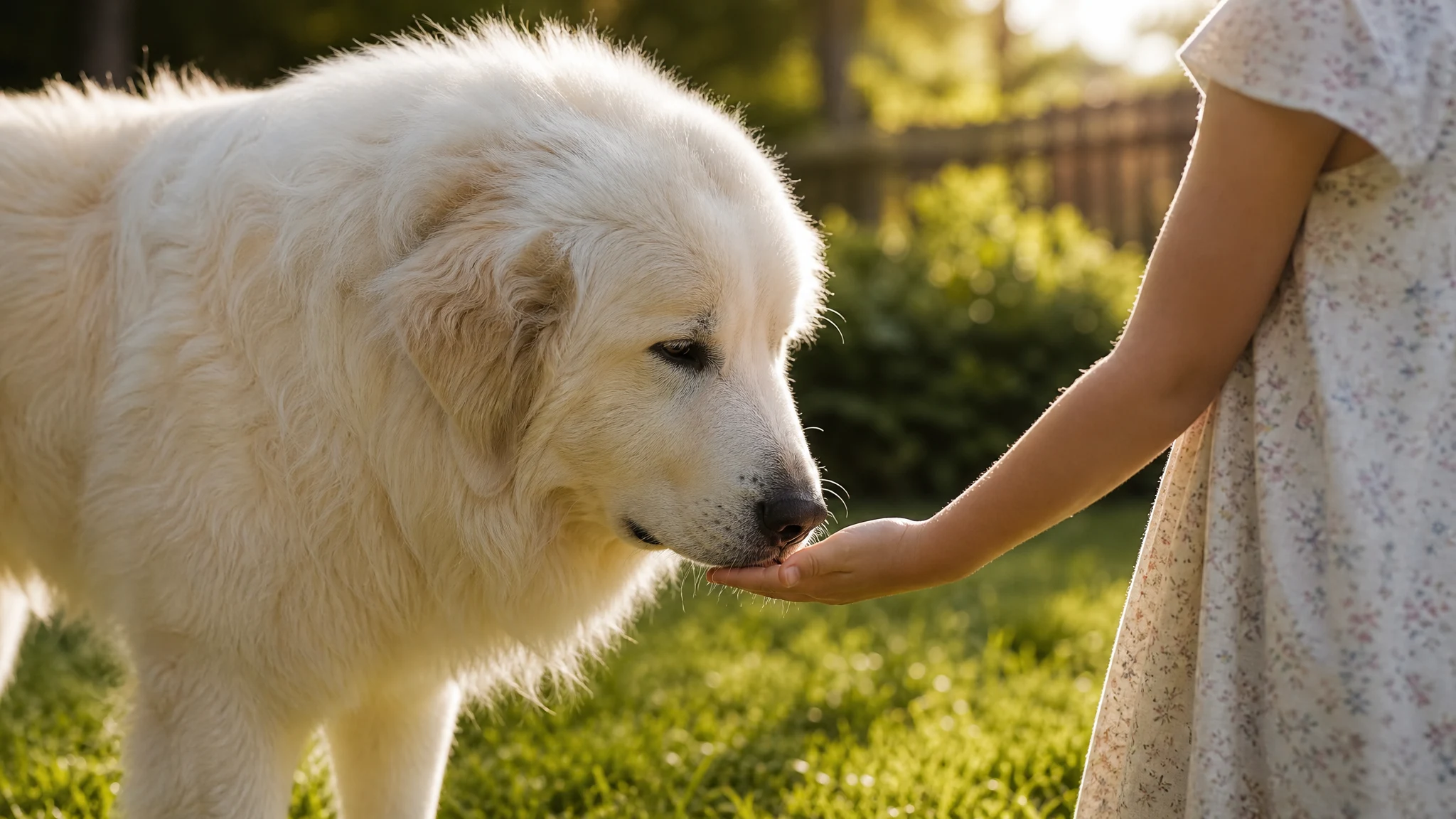
General training information. Every dog is an individual; for health or behavior concerns, see your veterinarian.
Great Pyrenees socialization is one of the most useful things you can do for this breed. These dogs were developed in the Pyrenees Mountains between Spain and France to guard livestock, according to PetMD. That history shapes how they see the world: they watch, they decide, and they act on their own judgment.
The good news is that the Great Pyrenees Club of America (GPCA), as quoted by PetMD, describes the temperament as calm, independent and alert. Calm and alert are traits you can build on. This guide walks you through a plan for introducing your dog to children, other dogs and unfamiliar people, one small step at a time.
Are Great Pyrenees Good With Kids?
Hill's Pet describes the breed as gentle and protective with children when the dogs are socialized as puppies, and it recommends supervision. Both parts matter. The gentleness is not automatic, and the supervision is not optional.
Individual dogs vary, and the sources above do not promise how any one dog will behave. A well-socialized dog may do very well with a family. A dog with little exposure may be unsure of noisy, fast-moving children. Your plan and your supervision make the difference.
Size is another reason to take care. PetMD gives the general height range as 25 to 32 inches at the shoulder, and Hill's lists 85 to 120 pounds, with males larger. A friendly leaning hug from a dog that size can knock over a small child. Teach calm manners early, before the dog is big.
What You Will Need
- Small, soft treats your dog loves, cut into pea-sized pieces so you can reward often without overfeeding.
- A flat collar or a well-fitted harness and a standard leash. Skip prong, choke and shock collars. They do not fit with humane, reward-based training as described by the American Veterinary Society of Animal Behavior (AVSAB).
- A secure, fenced area. Hill's notes the breed tends to roam, so fencing matters during every introduction.
- A baby gate or exercise pen to give your dog a quiet retreat from children.
- A mat or bed for teaching a calm settle.
- A notebook to log what each session looked like and how your dog responded.
- A helper or two: a calm adult, a patient child, and a friendly dog with a steady owner.
Step-by-Step Socialization Plan
Step 1: Check with your veterinarian first
Before your puppy meets other dogs or visits public places, ask your veterinarian when it is safe given the vaccine schedule. Health questions belong with your vet, and this article cannot answer them for your dog. Until then, you can do plenty at home: new people visiting, new sounds, new surfaces and gentle handling.
Step 2: Start at a distance and keep it positive
Pick a quiet spot where your dog can see a new person, child or dog from far enough away to stay relaxed. When your dog notices the new thing and stays calm, say a cheerful "yes" and give a treat. Do not push your dog to approach.
Keep the first sessions short. Five to ten minutes is plenty. End while your dog is still doing well.
Step 3: Teach a calm settle on a mat
A dog that knows how to relax on a mat has a job to do when guests arrive. Reward your dog for lying down on the mat, then slowly add duration and mild distractions. This pairs well with the basics in our complete guide to training a Great Pyrenees.
The GPCA, as cited by PetMD, recommends obedience classes for first-time owners. A class can also give you safe, structured exposure to new people and dogs. Check with the instructor about their methods and make sure they are reward-based.
Step 4: Introduce strangers on your dog's terms
Great Pyrenees are described as alert, and Hill's rates the breed a 3 out of 5 for barking, which it labels moderately vocal. So expect some barking at new people. It is part of how the breed works. Your goal is not silence. It is a dog that can notice, check in with you, and settle.
- Ask the visitor to ignore your dog at first. No staring, no reaching over the head.
- Let your dog approach if it wants to. Have the visitor offer a treat from a flat, low hand.
- If your dog barks, calmly increase the distance, wait for a pause, and reward the quiet.
- Repeat with different people: different ages, hats, jackets, walking aids and so on.
Step 5: Introduce children carefully
This is where supervision matters most. Use these ground rules with every child, including your own.
- An adult is within arm's reach and watching the dog the whole time, not glancing over occasionally.
- Children sit down for the introduction. Running, shrieking and chasing games are off the table.
- Children pet the shoulder or chest gently, not the face, tail or ears, and never climb on or hug the dog.
- Children never take food, bones or toys from the dog.
- Your dog always has a gated-off or crated space where children are not allowed to follow.
Have the child toss a treat on the ground near the dog, then step back. Over many sessions, your dog may come to link children with good things. Keep sessions brief and stop if your dog stiffens, turns away, yawns repeatedly, or leaves. Those are requests for space, and honoring them builds trust.
Hill's also notes the breed can be protective. The sources in hand do not describe herding or guarding behavior toward children in detail, so if you notice your dog blocking, herding or guarding kids during play, bring in a qualified, reward-based trainer or your veterinarian for individual advice.
Step 6: Introduce other dogs gradually
Hill's says Great Pyrenees can get along with other pets, including livestock, with proper socialization and introductions. It does not give a separate rating for other dogs, so treat that as general guidance rather than a promise. If you are wondering how Great Pyrenees do with other dogs, the honest answer is that it depends on the individual and on how the introductions go.
- Parallel walks. Walk the two dogs on leashes at a comfortable distance in the same direction. Reward each dog for staying relaxed.
- Closer parallel walks. Over several sessions, narrow the gap only while both dogs look loose and easy.
- Brief greetings. Allow a short sniff on a loose leash, then calmly move on. Three to five seconds is enough at first.
- Off-leash time in a secure yard. Only after several good greetings, and only with fencing you trust.
Choose partner dogs that are calm and well-mannered. A rowdy or pushy dog can sour a good start. If either dog is tense, stiff or fixed on the other, add distance and try again another day.
Step 7: Respect your dog's pace and body
Petful advises avoiding repetitive high-impact exercise, forced running and frequent jumping from vehicles for growing Great Pyrenees puppies. Near adult height arrives around 18 months, and maturity continues into the second or third year. So keep puppy play sessions gentle and short, and do not let a larger dog bowl your puppy over.
Hill's lists heat sensitivity among the breed's challenges, so schedule outings for cooler parts of the day and provide shade and water. Bloat is also listed as a breed risk by PetMD. Ask your veterinarian about feeding and activity routines around social outings.
Step 8: Keep going through adolescence
Socialization is not finished at puppyhood. Keep up regular, positive outings through the first two or three years while your dog matures. Independent dogs may test what you have taught. Stay patient and consistent, as PetMD and the GPCA advise.
Tips for Better Sessions
- Quality over quantity. A few calm, successful meetings beat a crowded, overwhelming one.
- Pay for calm behavior. Reward the moments your dog is quiet and relaxed, not just the sits.
- Keep your own body language loose. A tight leash and a tense handler can signal worry to your dog.
- Use fenced spaces. Hill's notes the breed tends to roam, so avoid off-leash practice in open areas.
- Write it down. Notes help you see slow progress and spot patterns, like a dog that is always uneasy around bikes or hats.
Common Mistakes to Avoid
- Flooding. Taking a shy puppy straight into a busy crowd can backfire. Go slowly.
- Forced interaction. Do not hold your dog in place for hugs or pats. Let your dog choose.
- Leaving kids and dogs alone together. Even a gentle dog needs an adult watching, as Hill's recommends.
- Punishing the alert bark. Barking is a trait of the breed. Scolding can make a dog more worried about the very thing you want it to relax around. Reward quiet instead.
- Using harsh tools or dominance methods. Shock, prong and choke collars, alpha rolls and scruffing are not part of a humane approach per AVSAB, and they can harm trust.
- Skipping the retreat space. Every dog needs somewhere to go to get away from the action.
- Expecting instant obedience. Hill's rates the breed a 2 out of 5 for trainability, described as somewhat difficult. Plan for a long, steady process.
What Results to Expect
With regular, positive practice, many owners find their Great Pyrenees becomes more relaxed around visitors, children and other dogs over time. Your dog may bark less intensely, recover from surprises faster, and settle sooner when guests arrive. Results vary from dog to dog, and some dogs stay reserved with strangers all their lives. That can be perfectly normal for a guardian breed.
If you see growling, lunging, snapping or intense fear, stop the exercise and consult your veterinarian, who can rule out medical causes and refer you to a qualified, reward-based behavior professional.
Quick Recap
- Ask your vet when your puppy can safely meet other dogs.
- Start at a distance and reward calm behavior.
- Supervise every child-dog interaction closely.
- Build dog introductions in stages, from parallel walks to short greetings.
- Keep sessions short and keep going into adulthood.
For the wider picture, including basic cues and daily routines, read our complete Great Pyrenees training guide.